
What is a European Mouflon?
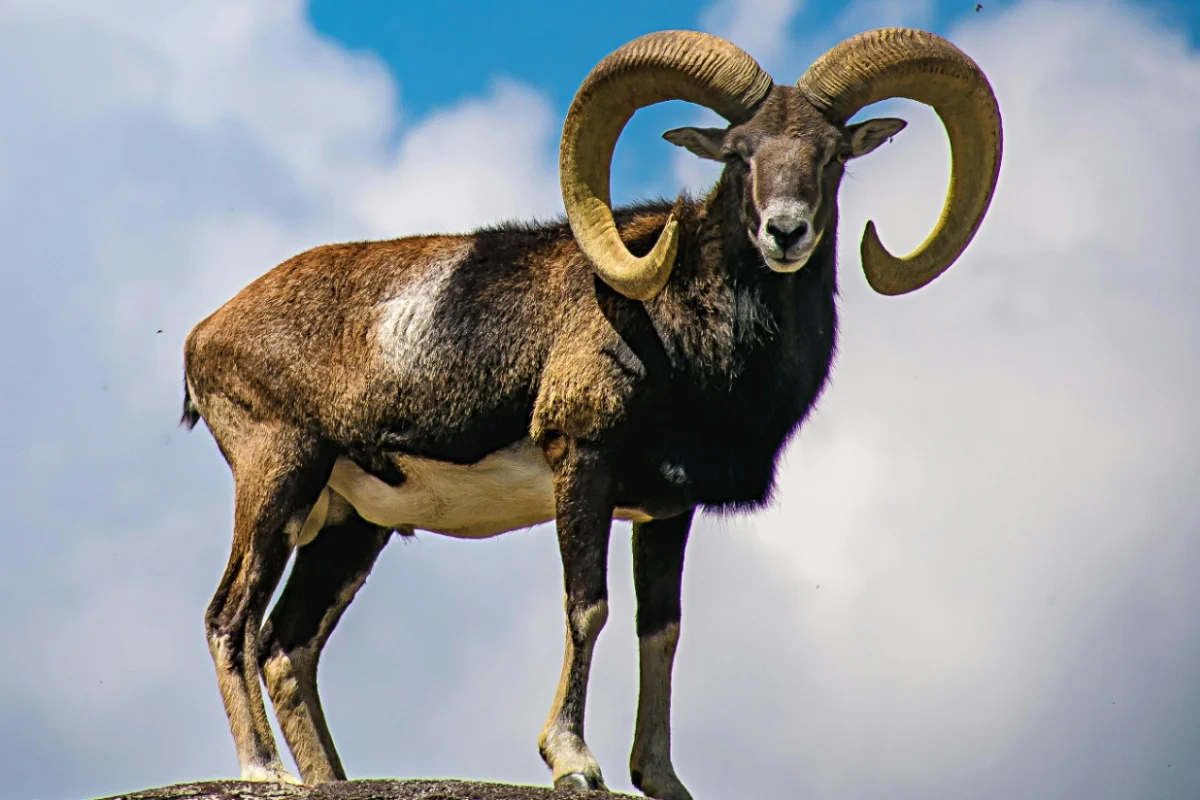
The European Mouflon is a wild sheep species native to parts of Europe, especially islands such as Corsica and Sardinia. It is considered one of the ancestors of modern domestic sheep. European mouflons are known for their muscular bodies, reddish-brown coats, white underparts, and curved horns in males. Rams have large spiral horns, while females usually have smaller horns or none at all.
These animals live in rocky hills, mountains, forests, and grasslands where they can easily escape predators. They are herbivores and feed on grasses, leaves, shrubs, bark, and herbs. European mouflons are active mainly during early morning and late evening, spending the hottest parts of the day resting.
Males can weigh between 35 to 55 kilograms (77 to 121 pounds), while females are smaller. Their height ranges from 65 to 90 centimeters (26 to 35 inches) at the shoulder. They usually live for 10 to 15 years in the wild.
European mouflons live in herds, with females and young staying together, while males often form separate groups outside the breeding season. During the rutting season, males compete for mates by displaying strength and clashing horns.
Their main predators include wolves, lynxes, and large eagles attacking lambs. Although populations are stable in some areas, habitat loss, hunting, and competition with livestock can affect local numbers.
Are European Mouflons endangered?
European Mouflons are not considered globally endangered, but some local populations are small or declining. Habitat loss, disease, hunting pressure, and hybridization with domestic sheep can create problems in certain regions.
Where does the European Mouflon live?
European Mouflons live in rocky hills, mountains, open forests, and grasslands. They are native to islands such as Corsica and Sardinia, but have also been introduced to many parts of mainland Europe. They prefer dry areas with rough terrain where they can spot predators.
| Scientific name Ovis aries musimon |
| Weight Male: 35 to 55 kilograms (77 to 121 pounds), Female: between 25–40 kilograms (55–88 pounds) |
| Size Body Length: up to 120 cm (47 inches) Shoulder Height: up to 90 cm (35 inches) Horn Length (males): up to 80 cm (31 inches) |
| Life span Lives around 10–12 years in the wild and up to 15–20 years in captivity |
| Diet Eats grasses, leaves, herbs, shrubs, and shoots |
| Habitat Lives in rocky hills, mountains, grasslands, and open woodlands |
| Predators Wolves, lynx, foxes, and large eagles prey on young mouflons |
| Gestation Around 5 months |
What does the European Mouflon eat?
European Mouflons are herbivores and feed mainly on grasses, herbs, leaves, shrubs, bark, and young shoots. Their diet changes with the seasons depending on what plants are available. They often graze early in the morning and late in the evening.
How big is a European Mouflon?
An adult European Mouflon can grow up to 120 cm (47 inches) in body length and around 90 cm (35 inches) in shoulder height. Males are larger and stronger than females. Their sturdy legs help them climb rocky slopes with ease.
How much does a European Mouflon weigh?
Adult males usually weigh between 35–55 kg (77–121 pounds), while females weigh around 25–40 kg (55–88 pounds). Weight can vary depending on habitat, food supply, and age. Rams are heavier because of their muscular build and horns.
How long does a European Mouflon live?
European Mouflons usually live around 10–12 years in the wild. In captivity, where food and medical care are available, they may live up to 15–20 years. Survival in the wild depends on predators, disease, and weather.
What predators hunt the European Mouflon?
Main predators include wolves, lynx, foxes, and sometimes large eagles that target lambs. Young mouflons are most vulnerable, while adults use speed and rocky terrain to escape danger. Human hunting has also affected some populations.