
Scientific Classification
Scientific Name
Pinnipedia
Kingdom
Animalia
Phylum
Chordata
Class
Mammalia
Order
Carnivora
Suborder
Pinnipedia
Families
Phocidae
All About Seal
Description
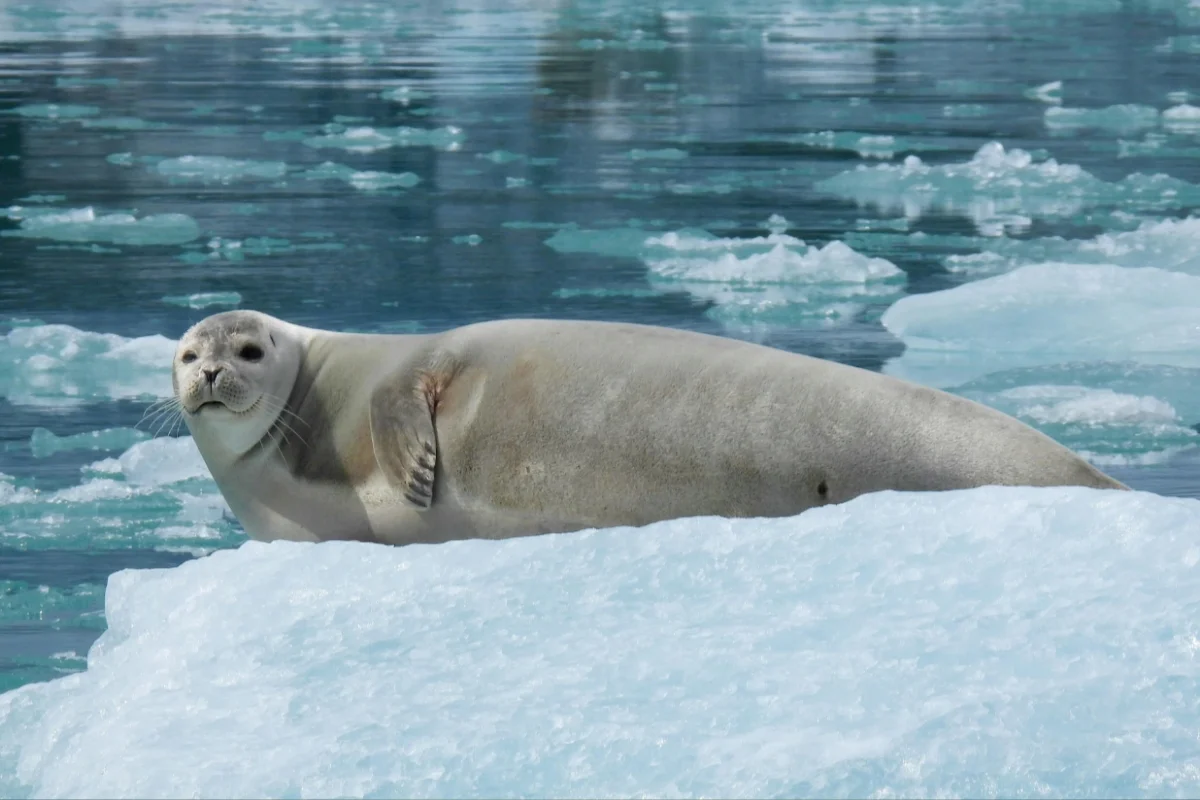
Seals are aquatic mammals specially adapted for life in the ocean. Their streamlined bodies, flippers, and thick blubber help them swim efficiently and survive in cold waters. There are around 32 species of seals found worldwide.
Appearance
They have streamlined bodies, flippers, whiskers, and thick blubber for warmth.
Size
Seal size varies greatly by species. Smaller seals may be around 1.1 meters (3.6 feet) long, while the largest elephant seals can reach 6.5 meters (21 feet).
Weight
Depending on species, seals can weigh from 50 kg (110 lbs) to over 3,700 kg (8,150 lbs).
Diet
Seals eat fish, squid, crustaceans, and mollusks.
Range
Found in Arctic, Antarctic, and coastal waters around the world.
Habitat
They live in oceans, coastal waters, beaches, rocky shores, and sea ice.
Behavior
Seals are strong swimmers, deep divers, and often rest in groups.
Swimming Speed
Most seals swim 15–25 km/h.
Reproduction
Females usually give birth to one pup each year.
Gestation Period
Around 11 months.
Pups / Babies
Baby seals are called pups.
Predators
Killer whales, sharks, polar bears, leopard seals, and humans.
Threats
Climate change, hunting, pollution, and fishing nets.
Lifespan
Usually 20–30 years.
Conservation Status
Depends on species; some are endangered.
Seal Interesting Facts
- Seals can hold their breath for over an hour in some species.
- Their whiskers can detect prey movement underwater.
- Seal milk can contain over 50% fat.
- Baikal seals are one of the few freshwater seal species.
- Seals sleep both on land and floating in water.
- Leopard seals are powerful predators of Antarctica.