
The barn owl (Tyto alba) is a medium-sized, nocturnal bird of prey known for its heart-shaped facial disc and silent flight. It is among the most widespread owl species, found on every continent except Antarctica, and plays a key ecological role in controlling rodent populations.
Key facts
- Scientific name: Tyto alba
- Family: Tytonidae
- Wingspan: 75–110 cm (30–43 in)
- Global range: All continents except Antarctica
- Conservation status: Least Concern (International Union for Conservation of Nature)
Physical characteristics
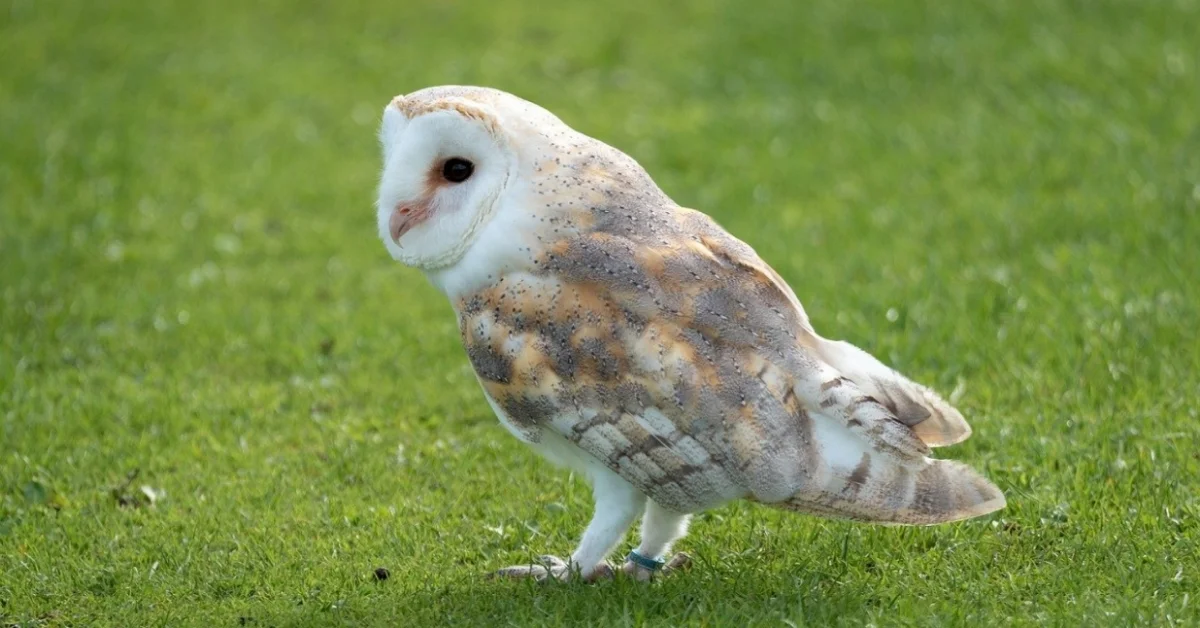
Barn owls have pale plumage with white underparts and golden-buff upper feathers speckled with gray. Their distinctive heart-shaped facial disc channels sound efficiently to the ears, enhancing their exceptional hearing. They lack ear tufts and possess long wings adapted for slow, silent flight, useful for detecting prey in near-total darkness.
Habitat and distribution
This species inhabits open landscapes such as farmland, grassland, and woodland edges. Barn owls nest in hollow trees, cliffs, and human structures like barns and church towers. Their adaptability to diverse climates—from temperate Europe to arid Africa and tropical Asia—has supported their extensive range.
Behavior and diet
Primarily nocturnal, barn owls hunt small mammals—especially voles, mice, and rats—using a combination of acute hearing and low-light vision. They fly close to the ground, locating prey by sound alone, then swallow it whole. Regurgitated pellets reveal diet composition and are often used in ecological research.
Reproduction and lifespan
Breeding pairs often mate for life. Females lay 4–7 eggs per clutch in sheltered nesting sites. Both parents share duties of incubation and feeding. In the wild, barn owls live around four years, though many perish earlier due to predation and harsh weather.
Ecological importance
Barn owls are valuable biological pest controllers, significantly reducing rodent populations in agricultural areas. Their presence is also considered an indicator of healthy ecosystems, and they feature prominently in cultural folklore across many societies.