
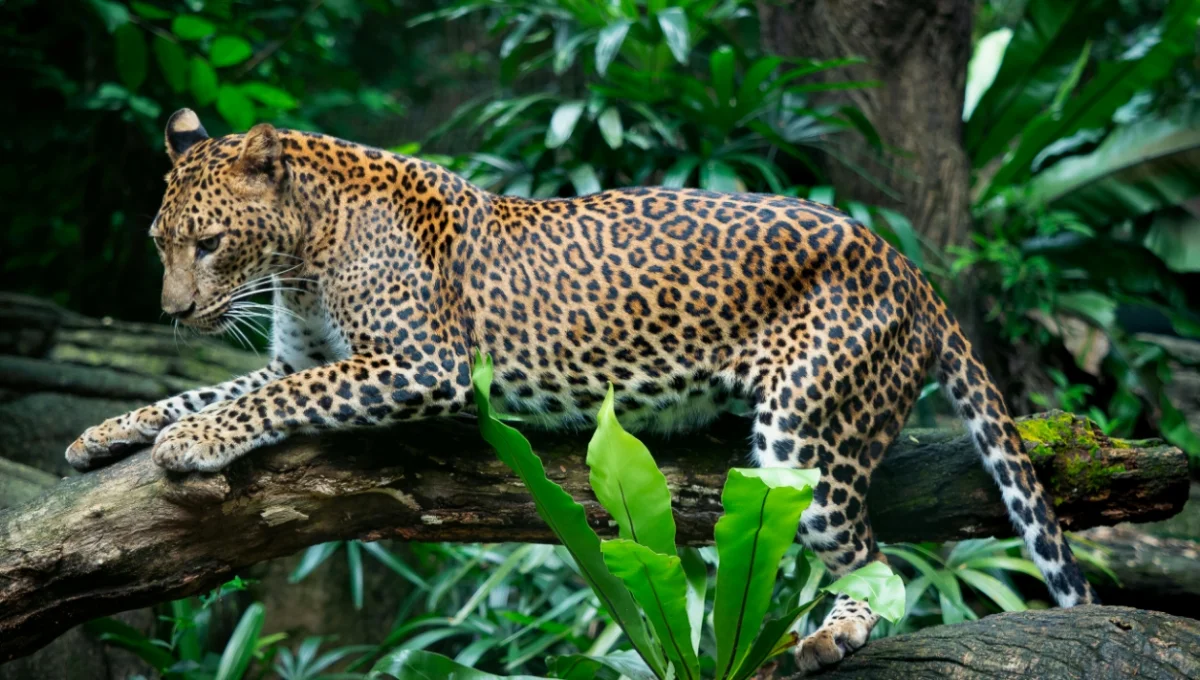
The jaguar (Panthera onca) is a large, powerfully built wild cat native to the Americas. It is the largest cat in the Western Hemisphere and the third largest globally, after the tiger and lion. Jaguars play a crucial ecological role as apex predators, maintaining balance in tropical and subtropical ecosystems.
Key facts
- Scientific name: Panthera onca
- Range: Central and South America; strongest populations in the Amazon Basin
- Weight: 100–250 lb (45–113 kg)
- Conservation status: Near Threatened (International Union for Conservation of Nature Red List)
- Diet: Carnivorous—prefers large mammals, reptiles, and fish
Physical characteristics
Jaguars have a compact, muscular frame and a distinctive yellow-tan coat patterned with black rosettes enclosing central spots. Their broad heads and powerful jaws enable them to deliver one of the strongest bite forces among big cats, often piercing skulls or turtle shells. Melanistic jaguars—commonly called “black panthers”—occur due to a genetic variant.
Habitat and range
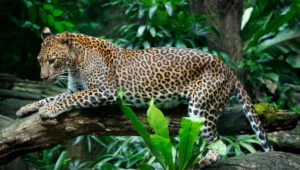
Jaguars historically ranged from the southwestern United States to northern Argentina, but habitat loss and fragmentation have confined most populations to the Amazon rainforest. They thrive in dense tropical forests, wetlands, and riverine environments, relying on cover for stalking prey.
Behavior and ecology
Solitary and territorial, jaguars hunt primarily at night, ambushing prey near water. They are strong swimmers—unlike most cats—and often feed on capybaras, deer, caimans, and fish. Their role as top predators helps control herbivore populations, indirectly supporting forest regeneration.
Conservation and threats
Major threats include deforestation, illegal hunting, and conflict with ranchers. Conservation efforts by organizations such as World Wildlife Fund and Panthera Corporation focus on preserving habitat corridors and mitigating human-wildlife conflict to ensure viable jaguar populations across their range.